Stealth or force: how a job gets done in RACKETBORNE
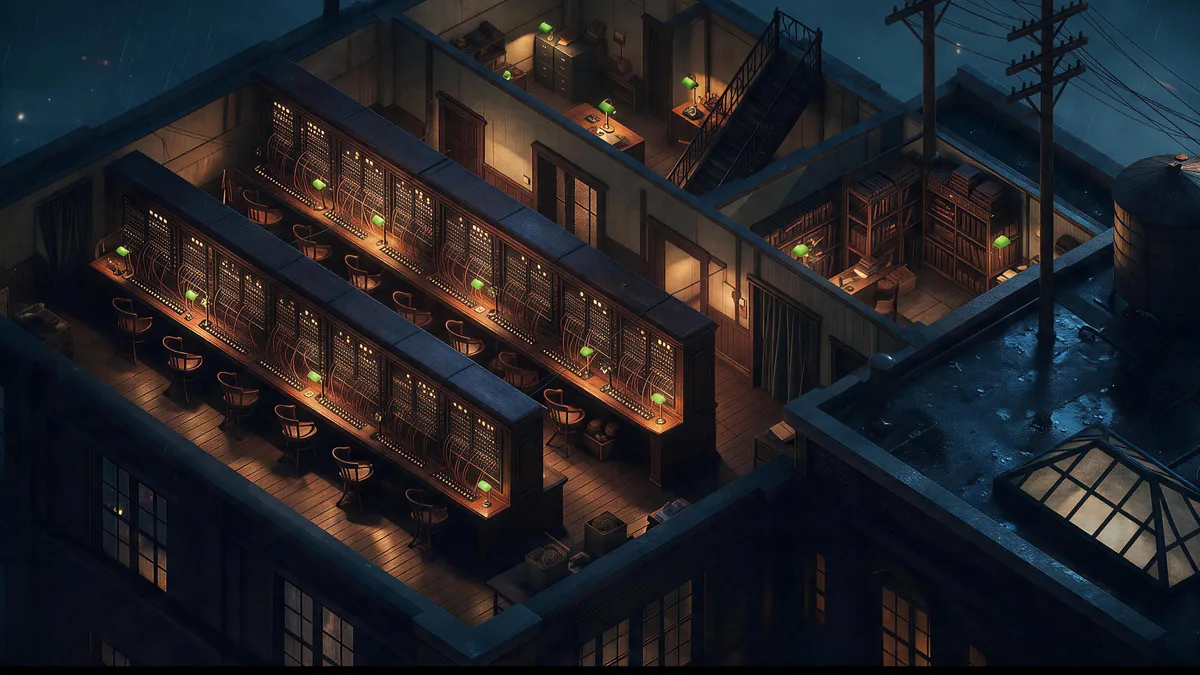
In RACKETBORNE there is hardly ever just one way in. You can slip through without anyone noticing, or you can make some noise. Both work. What changes is what you leave behind.
If you only read this
- Light rules: on a dark street, patrols see far less.
- The challenges make sense as you play: locks, keys, levers, safes. No absurd riddles.
- Shooting is possible and sometimes necessary, but the neighbourhood and Max remember.
The rule of light
San Vellato is dark, and whoever controls the streetlamps controls stealth. A patrol sees a long way under a lit streetlamp and almost nothing in the shadows. Over the course of the campaign you will learn to use that: cut the power at a fuse box, wait for someone to notice and go to switch it back on, and slip past right where they had been looking.
Getting past unseen
- Distract. A bottle that smashes or a coin that rolls draws the attention of the nearest guard.
- Wait. Patrols have their routes and their pauses. Looking before you move almost always pays off.
- Knock out. A blow from behind leaves a rival unconscious, not dead. After a while they come round, dazed, so it’s best not to hang about.
- A ringing telephone. If someone at the Exchange is on your side, a telephone can ring at just the right moment, and the guard who answers it stays on the line for a few seconds.
Challenges that make sense as you play
Every chapter mixes several kinds of challenge, and none of them asks you to know history or do sums:
- Locks. The old ones open pin by pin, with patience and a good ear.
- Safes. You listen to the dial while someone makes a racket to cover it.
- The key. The one to the warehouse hangs from a guard’s belt. You can take it off him or look for the copy the foreman keeps in his office.
- Levers and machines. Cranes, railway points, valves and goods lifts that change the scene, sometimes needing two people at once.
If you get stuck, the answer is in the scene. Hints are never for sale.
When the shooting starts
Vincenzo carries a revolver, with few rounds, and a gunshot can be heard across the whole scene. There are moments in the story when there is nothing for it but to take cover and fire back, as on the front in the first chapter. Outside those moments, shooting is a choice, and choices carry weight.
What you leave behind
Every business you take back has people working in it, and every street has its residents. If you settle things through fear, the neighbourhood obeys you, but it stops telling you things. If you do it with respect, it opens doors you didn’t know existed. Max is no soldier either: he’ll stand by you, but he won’t always agree with you. All of it adds up and decides which of the three endings you will see.

Coming home?
The first three chapters, The Mud, The Betrayal and Ashes of Santa Riva, are free to play.
PlayKeep reading
 How it’s made
San Vellato by day and by night: how you build a 1921 city that doesn’t exist
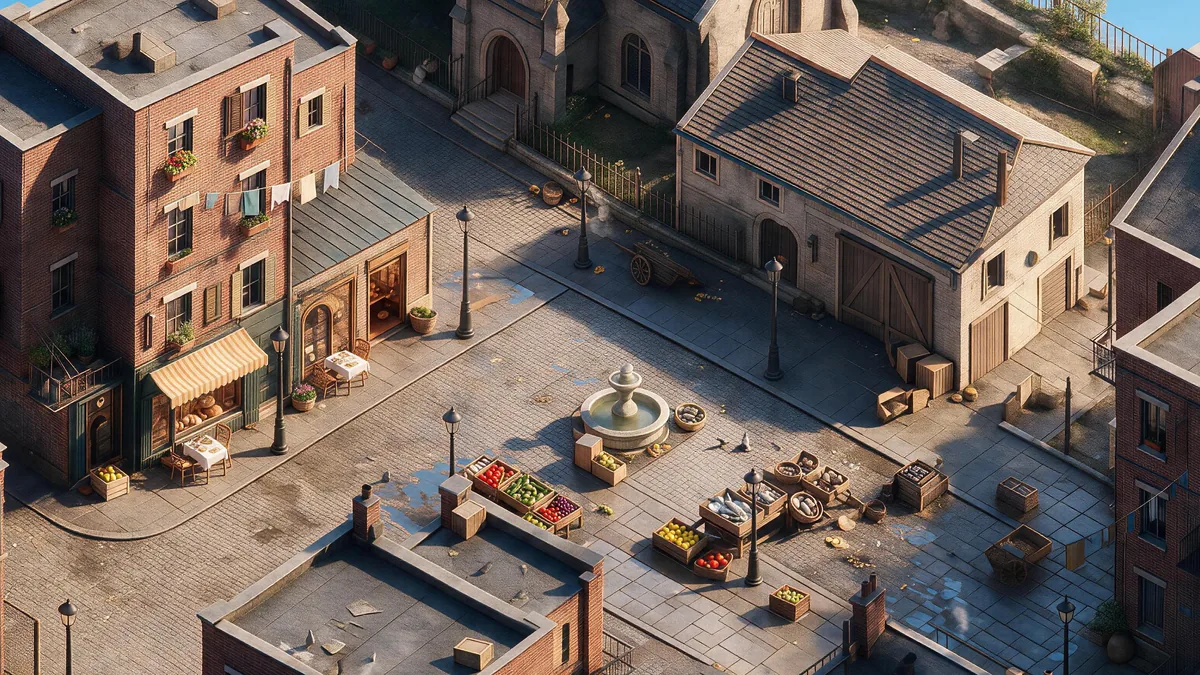
Six neighbourhoods, each with a daytime and a night-time version. Rain that really falls, streetlamps that flicker and neighbours with something to tell. This is how the city of RACKETBORNE is built.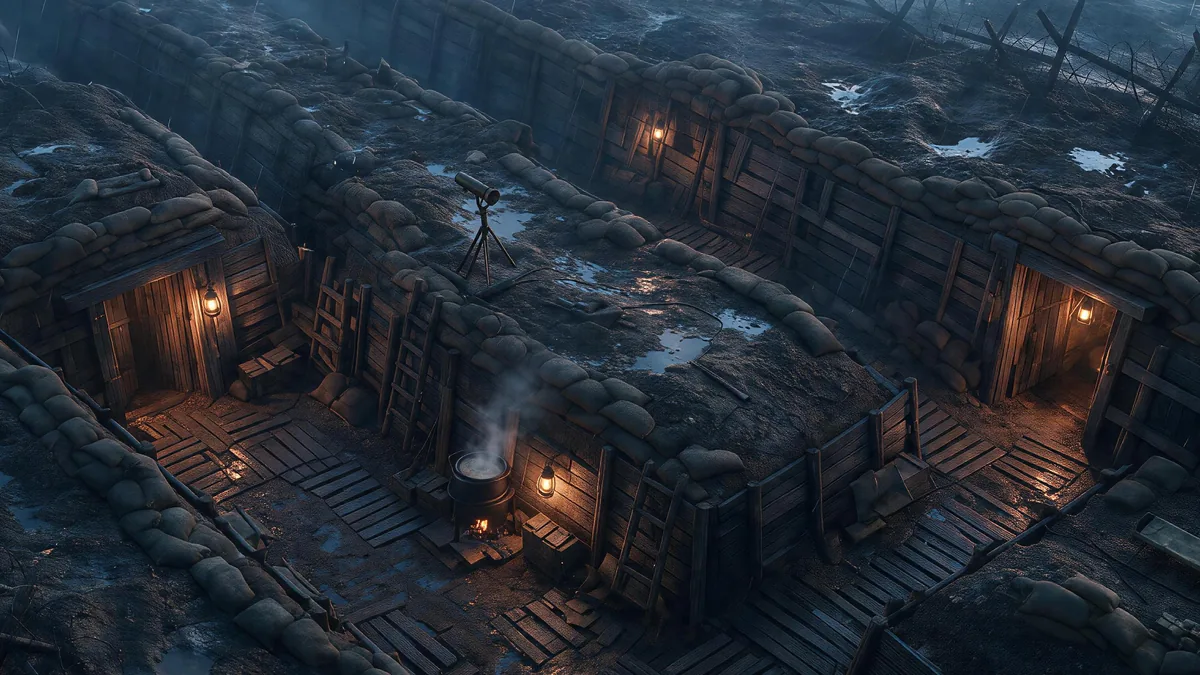 The game